Classic Old-Fashioned Chocolate Fudge (Recipe)
A tested-style recipe for old-fashioned cooked chocolate fudge: ingredients, step-by-step method, the 234–237°F soft-ball stage, and tips for a smooth, creamy set.
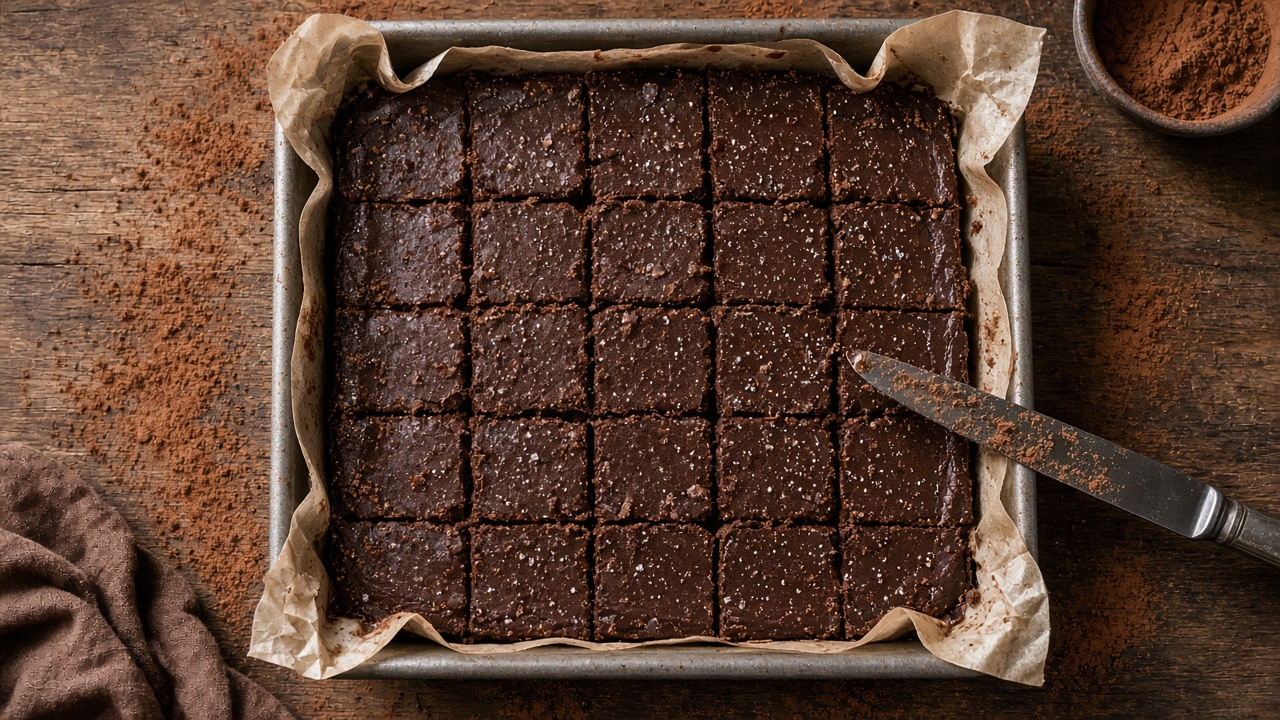
Before the swirls, the sea salt and the torched marshmallow crowns, there was plain old-fashioned chocolate fudge. Every Pageant judge will tell you the same thing: if you can make a pan of smooth, glossy-then-matte, melt-on-your-tongue chocolate fudge from sugar, milk and chocolate, you can make anything. This is the recipe our imaginary Grand Tent bakers practice on, and it's the one we'd hand to any first-time entrant.
Old-fashioned fudge is a cooked candy. Unlike the quick versions made with sweetened condensed milk or marshmallow creme, it relies on boiling a sugar syrup to a precise temperature, cooling it undisturbed, and then beating it so that it forms millions of tiny sugar crystals. Tiny crystals mean creamy fudge; big crystals mean grainy fudge. That's the whole game.
Before you start
- Use a heavy 3- to 4-quart saucepan. The mixture foams up as it boils, and a heavy bottom prevents scorching.
- Calibrate your candy thermometer in boiling water first (see our thermometer guide).
- Pick a dry, cool day if you can. Humid weather makes candy harder to set.
- Prepare your pan: butter an 8×8-inch square pan, or line it with foil or parchment and butter the lining.
🍫 Recipe: Old-Fashioned Chocolate Fudge
Ingredients
- 2 cups (400 g) granulated sugar
- 2/3 cup (160 ml) whole milk (or half milk, half heavy cream for extra richness)
- 2 ounces (57 g) unsweetened chocolate, finely chopped
- 2 tablespoons light corn syrup
- 1/4 teaspoon fine salt
- 2 tablespoons (28 g) unsalted butter, cut into pieces
- 1 teaspoon pure vanilla extract
- Optional: 1/2 cup chopped toasted walnuts or pecans
Steps
- Combine. In the saucepan, combine the sugar, milk, chopped chocolate, corn syrup and salt.
- Dissolve. Cook over medium heat, stirring gently with a wooden spoon, until the sugar dissolves and the chocolate melts. Rub a drop between your fingers (carefully, it's warm) or look at the spoon: there should be no visible grit.
- Wash down the sides. Dip a pastry brush in water and brush down the inside of the pan to dissolve any sugar crystals clinging there. Alternatively, cover the pan for 2–3 minutes so steam washes them down.
- Boil without stirring. Clip on your thermometer so the tip is in the syrup but not touching the bottom. Bring to a boil and cook, without stirring, until it reaches 234–237°F (112–114°C), the soft-ball stage. This usually takes 15–25 minutes. Lower the heat slightly if it foams too high.
- Add butter and cool. Remove from the heat. Drop the butter on top, but do not stir. Leave the thermometer in and let the pan sit undisturbed until the fudge cools to about 110°F (43°C), roughly 45–60 minutes. Don't move or jostle the pan.
- Beat. Add the vanilla. Beat vigorously with a wooden spoon (or a stand mixer with the paddle on low to medium) until the fudge thickens, loses its glossy shine and starts to look matte, usually 5–10 minutes by hand. Stir in nuts now if using.
- Pan it quickly. As soon as it loses its gloss, scrape it into the prepared pan and spread it evenly. It sets fast at this point, so work briskly.
- Set and cut. Let it stand at room temperature until firm, 2–3 hours, then lift it out and cut into squares.
Why each step matters
Corn syrup is an "interfering agent." Its glucose molecules get in the way of sucrose crystals, which helps keep them small. Old recipes often skip it, and they can still work, but the corn syrup gives you a wider margin for error.
Not stirring while it boils prevents early crystals from forming. A crystal formed at 230°F acts like a seed, and once the syrup cools, sugar piles onto it and builds coarse grains.
Cooling to about 110°F before beating is the secret most beginners skip. A cooler, supersaturated syrup forms many small crystals all at once when you beat it. Beat it hot and you'll get fewer, larger crystals and a sandy texture.
Losing the gloss is your signal that crystallization is underway. Pageant veterans call it "the moment the fudge goes quiet": the shine dulls, the spoon starts to drag, and the mixture holds soft ridges.
Troubleshooting at a glance
- Too soft, won't set: it was probably undercooked, or it was beaten too little. You can scrape it back into the pan with about 1/4 cup milk, melt it gently, and re-cook to 234–237°F.
- Hard and crumbly: it was overcooked or beaten too long. Next time pull it at the lower end of the range.
- Grainy: stray crystals or beating too hot. See our article on why fudge turns grainy.
The judges' notes
At the (entirely fictional) Springfield finals, the Classic Chocolate category is judged on the same four things you can judge at home. Taste: deep chocolate, not just sweet. Texture: smooth, with no grit. Creativity: yes, even in the classic round, a pinch of flaky salt counts. Presentation: clean, square edges. Gus Butterfield won in 2020 with nothing more than this recipe, a splash of cream and walnuts toasted until fragrant. Proof that a classic, well made, can still take home the trophy.
Once you've nailed this pan, you've got the foundation for every flavor in our flavor ideas article. Happy stirring!